
Articles
Writing about software engineering, machine learning, and the tools I use every day. Deep dives, tutorials, and lessons learned from building real-world applications.
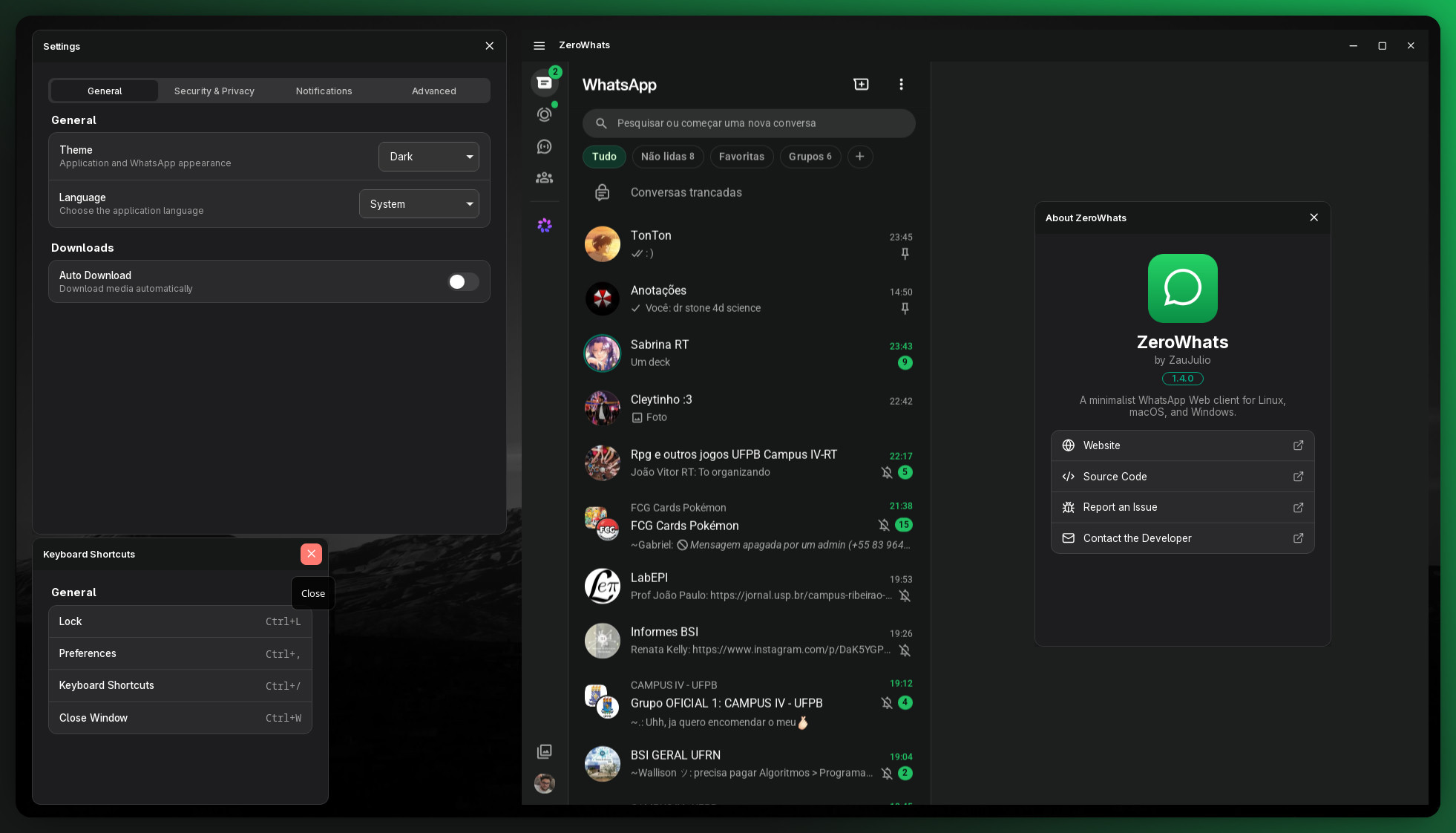
Building ZeroWhats: Rust, Tauri, and the Case Against Bundling a Browser
The technical story behind ZeroWhats, a privacy-first WhatsApp Web desktop client: why Tauri's wry and an OS-picked webview beat Servo, Gecko, CEF, and Electron; how it stacks up against Karere, ZapZap, and Ferdium; the capability-scoped security model; real resource numbers pulled from the actual release artifacts; and an honest account of where AI helped, and where it didn't.
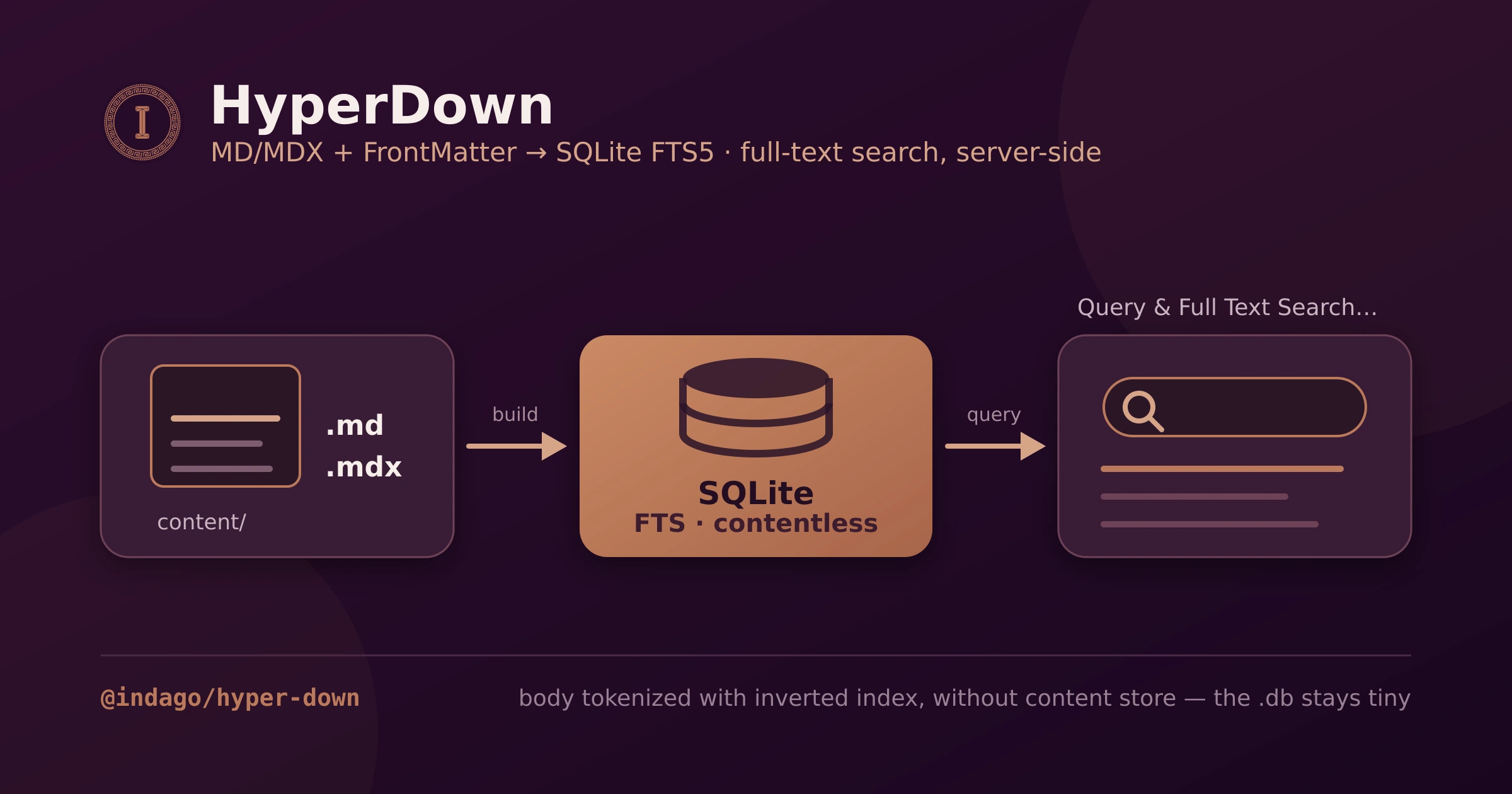
Getting Started with Indago: Two Content Engines, Zero Backend
The complete guide to Indago — what it is, and how its two independent engines work. HyperDown compiles Markdown/MDX into a contentless SQLite FTS5 index (we go deep: inverted index, content="", detail=full/column/none, the tags bridge, build-time optimize), and HyperJson turns JSON Schema into validated, fully-typed content. With diagrams, from scaffold to a searchable, typed, backend-free content layer.
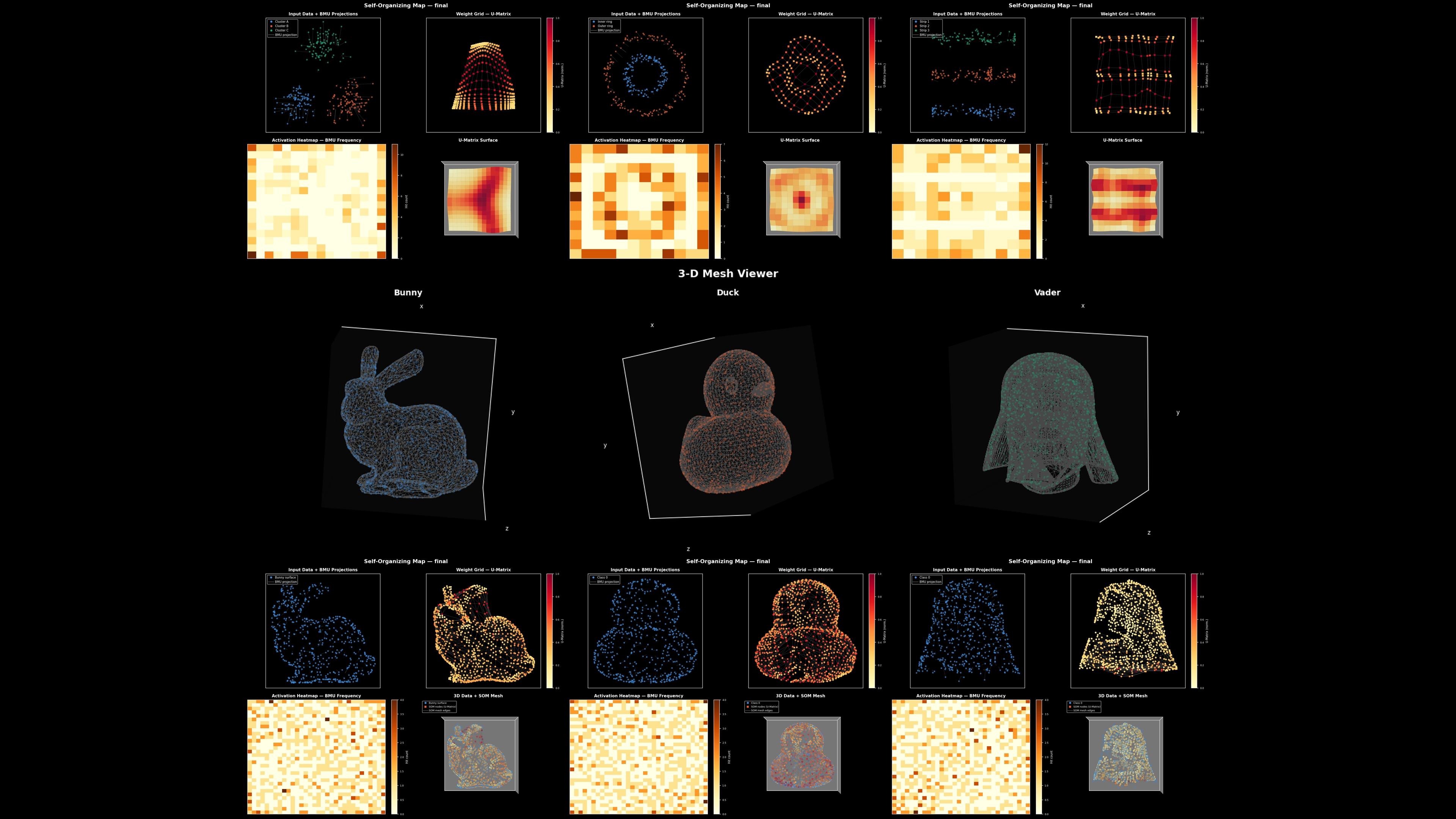
ZSOM: A Production-Ready Self-Organizing Map in Pure NumPy
A deep dive into ZSOM — a full-featured, Numba-accelerated SOM implementation with 3D mesh support, adaptive learning, hex topology, and publication-quality visualization. Covers the math behind every design decision.

Building This Portfolio: Vike, an In-Build SQLite, and Two Content Engines
How this portfolio runs a fully searchable, bilingual, content-rich site with no backend — just a SQLite database generated at build time and shipped inside the bundle. A feature-by-feature tour of the site, and the story of why making it work meant building Indago, the two open-source content engines underneath.